Tuesday, May 7, 2013

World War II Introduction

Chapter 16 World War II blog

The purpose of the blog is to give accurate historical information in the important events and people of World War II. In this blog you will see the most important figureheads of the time period and read about the influences the had on their countries and other countries alike. Famous cartoon artist "Dr. Suess" was extremely popular in accurately portraying "the elephant in the room" in many of his political cartoons. You'll read about crucial events that rocked the world as we know it and how it all connects to today.

Chapter 16 Summary

Chapter 16 was kicked off with Germany's sparkling new dictator, Adolf Hitler, attacking France and Great Britain, along with an invasion of the Soviet Union. As American's clung to their policy of neutrality, they sent aid to the allied forces. Japan would then launch there surprise attack on Pearl Harbor, and the United States would declare war on Japan the next day. Next, Adolf Hitler would attempt to create his "master race" and kill anyone who he believed to be weak. The Allied forces turned the tide of the war with the D-Day invasion and forced an unconditional surrender. With the war in Europe over, new President Harry Truman had to find the quickest possible way to defeat the Japanese. The U.S. then dropped two atomic bombs on the Japanese cities of Hiroshima and Nagasaki. The "War to end all Wars" was over.

Faces of World War II


I. Adolf Hitler
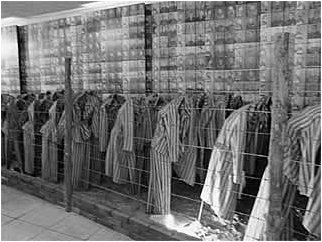
 The first person you think of when you hear the term "World War II" should be none other than Adolf Hitler. Hitler was a commanding dictator who brought extremist ideas upon people of the German society. He is best known for his act of genocide, or mass killing, of the Jewish community coined, "The Holocaust".
Hitler rose through the ranks of German government after the first World War left Germany torn apart and in need of direction. Hitler, took advantage of his weakened country and attempted to expand and bring Germany back. He pushed the issue too hard, and sparked a "War to end all wars".
Joseph Stalin
II. Joseph Stalin
The man who brought Russians back with his merciful Industrial Revolution in Russia was also an important character during World War II as well as after it ended. Once World War II ended, the two super-powers of the world, the United States and Soviet Union, had different ideas on which way Europe should be dealt with. The United States, stead fast to its belief in expanding democracy while Russian leader Joseph Stalin demanded that Communism was the future of Europe. When leaders of the countries met at the Yalta Conference, Stalin insisted that the two beliefs could not exist in the same world and that war between the two super powers was inevitable. This was the beginnings of whats known as the "Cold War".

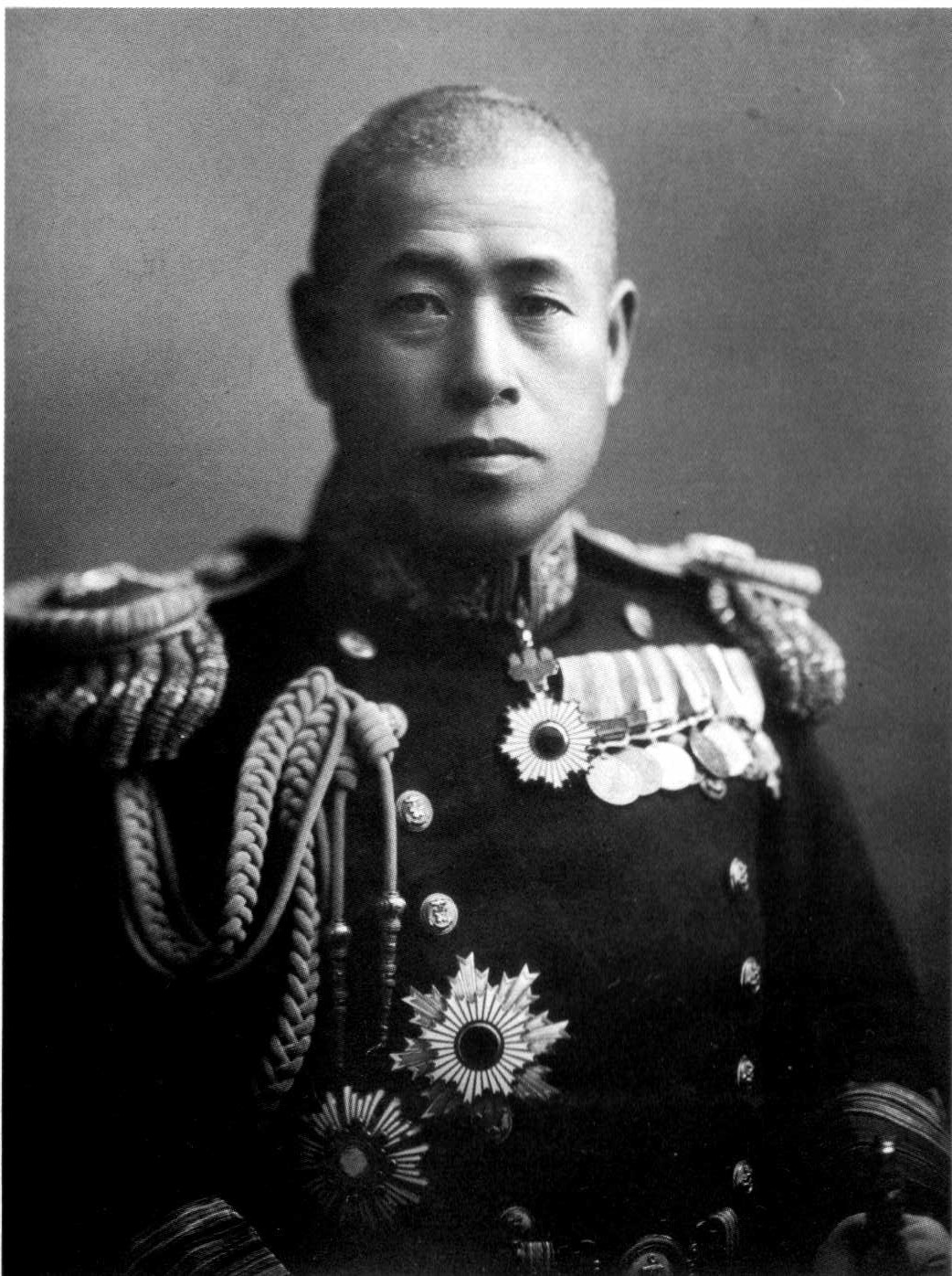
III. Isoroku Yamamoto
Isoruko Yamamoto was a Japanese Admiral Marshal. The reason he is an important figure in World War II is because he was the commander and chief of the Japanese Navy. He is largely at fault for the Japanese attack on Pearl Harbor which killed more than 2,000 American troops and did billions of dollars of damage to the United States naval base at Pearl Harbor. He was also the lead in command at the Battle of Midway, where the United States turned the tide of the war.

Sir Winston S Churchill.jpg

IV. Winston Churchill
Winston Churchill held many positions in British government throughout his lifetime but he is mainly known as British Prime Minister at the time of the second World War. Winston Churchill was the leader of British resistance against the German dictator Adolf Hitler. He and his people held fast against there foe in Nazi Germany. Churchill was widely known for his powerful speeches, and his ability to glue Great Britain together under the hard times in Europe.


Political Cartoons of WWII

This cartoon by Dr. Suess shows a symbol of the
 United States who is a typical "fat & happy" American, 
relaxing in his chair under an umbrella, while the citizen sits high
 and mighty in the chair, he is being bombed and attacked from
 every angle. This cartoon shows that the US is vulnerable to 
an invasion or attack on the homeland but is 
somewhat oblivious to it.

Another cartoon by Dr. Suess shows that same
"fat and happy" American relaxing it the
tops of a tree. Surrounding him are broken
trees which the Nazi wood pecker has already
cut down. In the cartoon the bird is pecking
at a tree that says "England" on it.
This depicts how the United States believes
that Germany will be tired and weak after trying
to go through England to get to us.
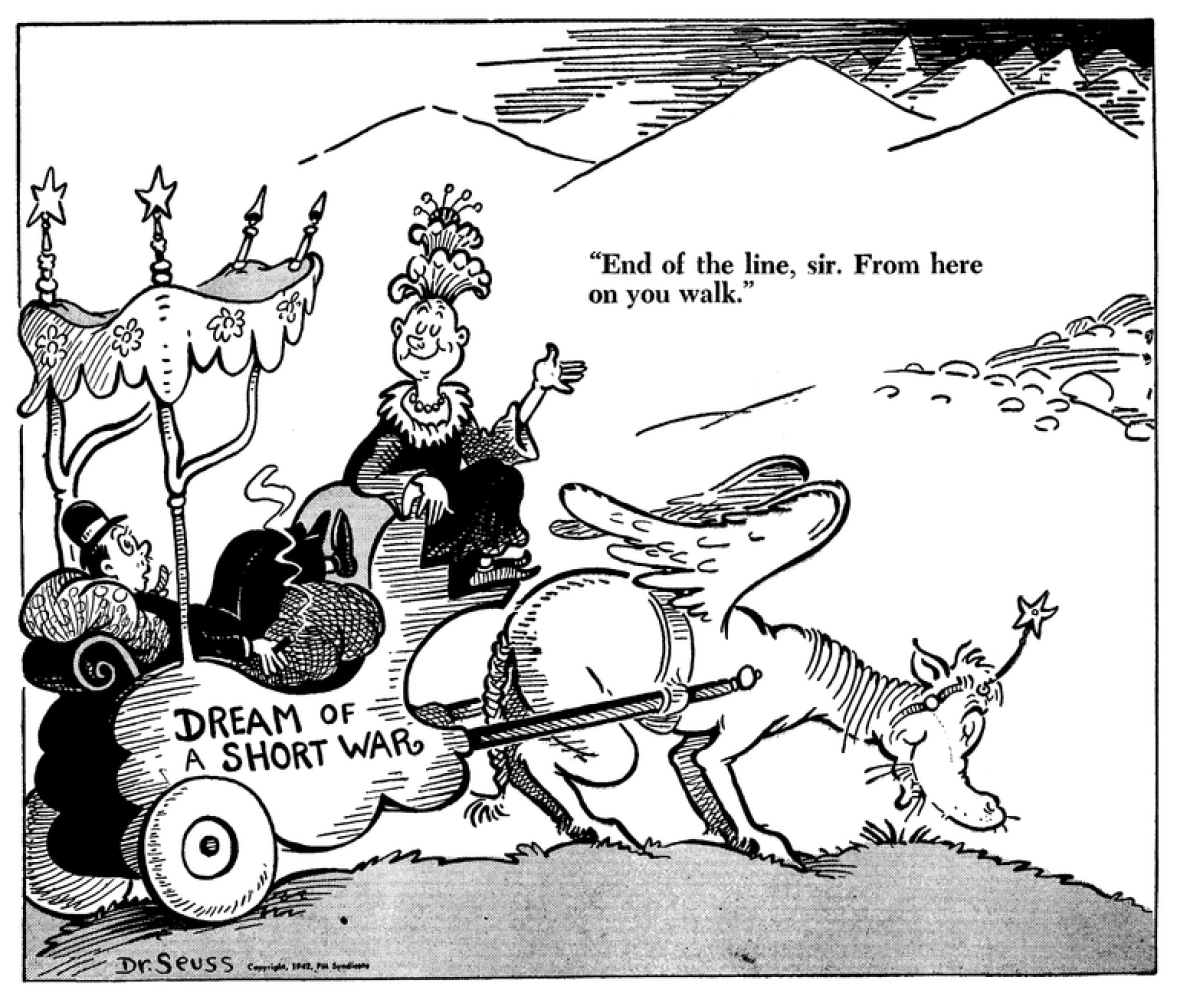
This cartoon by Dr. Suess portrays a man resting in a carriage
behind a winged horse. On the side of the carriage it says "Dream of a short war".
The entire cartoon is representing how a short war is purely a dream. 

Event - Japan Attacks Pearl Harbor

Japan Attacks Pearl Harbor

On the morning of December 7, 1941 the Japanese Air Force launched its surprise attack on the United States Naval base on Pearl Harbor, Hawaii. This attack was the main contributing factor to the United States entering World War II. The attack on Pearl Harbor was devastation to the American public. It's purpose was to keep the United States Pacific Fleet out of the Empire of Japan's way. The Japanese had plans to expand their empire and believed the U.S. to be standing in its way.


I believe that the attack on Pearl Harbor was the main reason the United States entered World War II. On top of this, the attack was also in my opinion later revenged by dropping atomic bombs on the Japanese cities of Hiroshima and Nagasaki. I also believe the attack was a cowardly one. The Empire of Japan failed to give United States any formal reasoning or warning before the attack. Japan didn't give the United States any chance to negotiate or reason with them, it was purely a blind attack.

Connection Across Time

Connection Across Time

One of the events in World War II that connect to today is the Holocaust. The impact that Hitler's mass genocide had on the Jewish world is still very much felt on today's society. We as a society praise and celebrate any human being who has lived through Hitler's operation of mass genocide. The Jewish religion is still spread all over Europe and at war over Israel and Palestine in search for a homeland. Another major event that is still felt in the world is the controverisal atomic bombing on Hiroshima and Nagasaki. Many people of Japanese decent feel that dropping the A-bombs was ruthless and unnecessary. The A-bombs wiped out two entire cities and disabled future generations of Japanese society. Both these events continue to impact the western world today.